Map Your Home to Waste Less, Live More

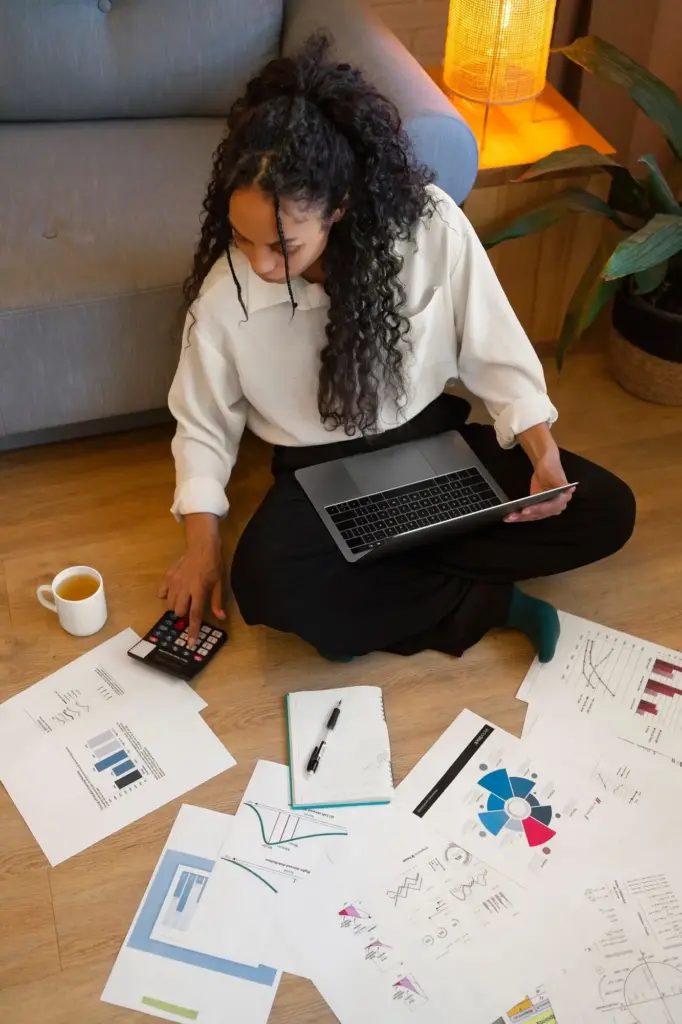
Step into a practical journey of mapping household systems to cut waste and save time, turning invisible routines into clear, visual flows. We will trace how meals, laundry, cleaning, and coordination move through your space, expose friction, then redesign handoffs that actually stick. Expect actionable sketches, tiny experiments, and real stories proving minutes saved become hours reclaimed, money unspent, and calmer evenings. Bring curiosity, a notebook, and the willingness to redraw.

Start with a Home Systems Map

Before buying containers or apps, capture how work really travels at home. Sketch doorways, zones, people, and points where items stall. Name inputs, outputs, and failure points. This first map uncovers hidden loops, duplicated effort, and opportunities for smoother, shorter paths. Invite each household member to annotate reality, not ideals, because honest details today prevent costly fixes tomorrow.

Food Flow That Prevents Spoilage

Groceries, fridge, freezer, pantry, and plates form a circuit. When any node hides information, food spoils and money evaporates. Clarify zones, shrink search time, and tie purchasing to real inventory. Build visible prompts so the oldest items move first, leftovers return to sightlines, and waste steadily falls.

Laundry Without the Bottlenecks

Laundry improves when capture is easy, batches are right-sized, and transfers happen without memory strain. Map the path from body to hamper to machine to drying to storage. Design ownership moments, automate reminders, and shrink folding with better hangers and designated drawers that welcome clothes home.

Cleaning Routines That Run Themselves

Daily Micro-Resets Anchored to Existing Habits

Link micro-cleaning to habit anchors: wipe the sink after brushing teeth, sweep the kitchen during kettle boil, reset the sofa while the credits roll. Each anchor makes the task nearly automatic. Track these on a small card for a week to confirm reliability and tweak placement.

Weekly Rhythm and Zone Assignments

Link micro-cleaning to habit anchors: wipe the sink after brushing teeth, sweep the kitchen during kettle boil, reset the sofa while the credits roll. Each anchor makes the task nearly automatic. Track these on a small card for a week to confirm reliability and tweak placement.

Maintenance Indicators and Minimum Standards

Link micro-cleaning to habit anchors: wipe the sink after brushing teeth, sweep the kitchen during kettle boil, reset the sofa while the credits roll. Each anchor makes the task nearly automatic. Track these on a small card for a week to confirm reliability and tweak placement.

Family Coordination and Information Flow

Information must move as smoothly as objects. Centralize calendars, tasks, contacts, and quick references in a visible, shared spot. Use consistent symbols, brief checklists, and color codes so anyone can step in. Short weekly syncs align expectations, prevent rework, and turn cooperation into a practiced habit.

Time, Energy, and Sustainability Wins

Mapping turns into results when you measure and iterate. Track waste reduced, minutes saved, and satisfaction felt. Fold energy efficiency into flows so savings compound. Seasonally review layouts, swap tools, and upgrade cues. Invite readers to subscribe, share their wins, and request experiments we should test next.
Lopamematunalotikoruzi
Privacy Overview

This website uses cookies so that we can provide you with the best user experience possible. Cookie information is stored in your browser and performs functions such as recognising you when you return to our website and helping our team to understand which sections of the website you find most interesting and useful.